The Problem
Navigating Financial Challenges is a Universal Experience
Every month brings the same cycle - bills to pay, debts to manage, and expenses that never stop adding up. What should be a straightforward task often turns into a source of stress, with receipts piling up and budgets falling behind. Many people want to feel more in control, but the constant effort of tracking makes it hard to stay consistent. BAPP was created to change that, transforming expense tracking into a seamless, automated experience that helps people manage their finances with confidence.
Research
Interviews
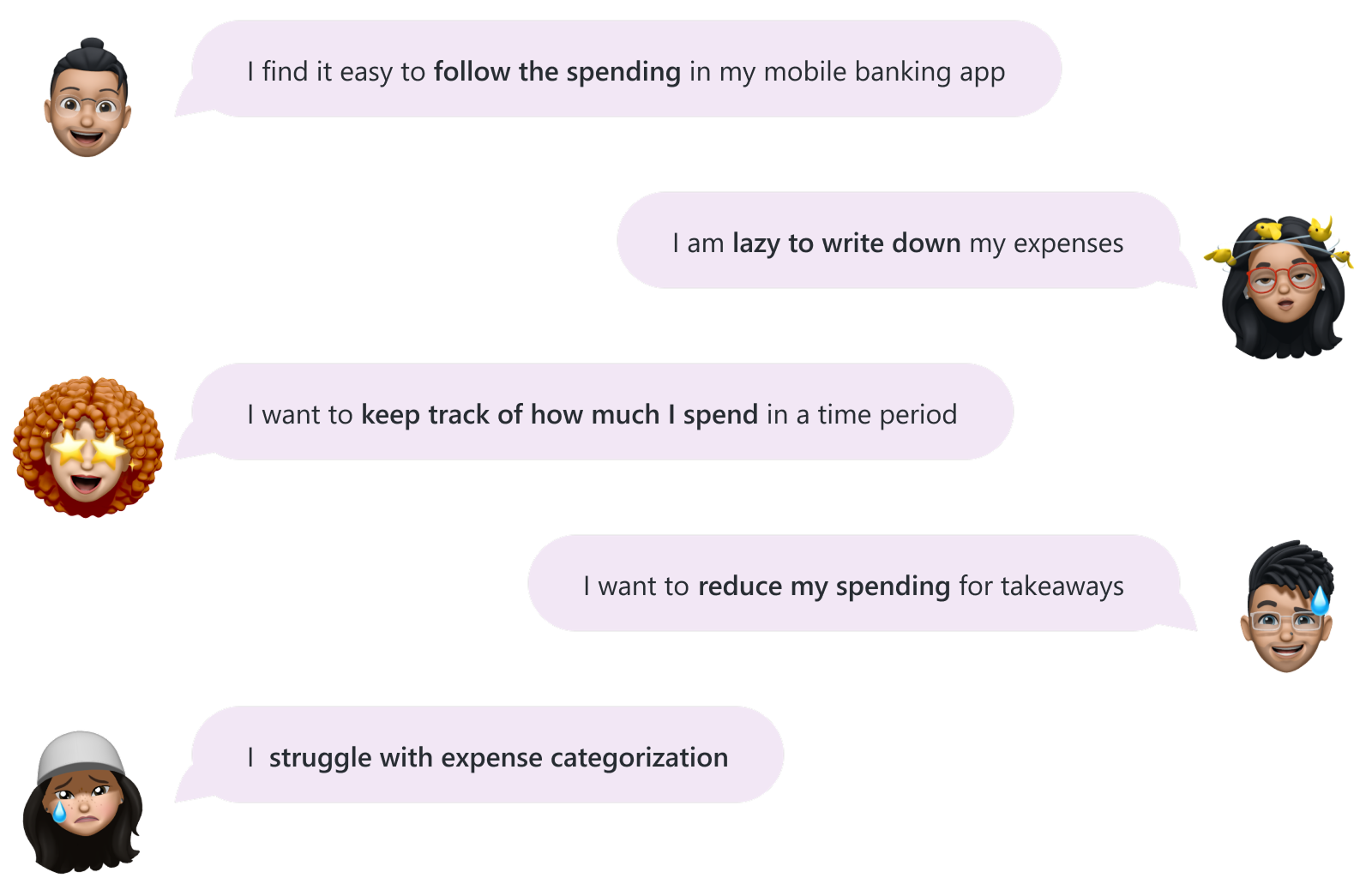
Taking a user-centered design approach, I conducted 10 interviews to understand how people manage their personal budgets. Since financial habits vary from person to person, the focus was on identifying common behaviors, pain points, and opportunities for usability optimization.
90%
manage their finances in some structured way
80%
prefer card payments over cash
80%
divide expenses into categories
60%
don't keep receipts
70%
delay recording expenses
10%
don't try to save money
Open Banking Integration
With the adoption of PSD2 (open banking), users can now connect their bank accounts directly. This capability significantly enhances expense tracking by reducing manual input, and it became a core requirement for BAPP's design.
Competitor Analysis
Applications like Mint, YNAB, PocketGuard, and Spendee allow either manual input or automatic syncing from bank accounts. However, they overlook a “middle ground” - efficiently adding physical expenses.
Opportunity: QR Code Scanning
By scanning a receipt's QR code, BAPP instantly pulls in key details, leaving only a quick confirmation from the user. This bridges the gap between digital and physical expenses, ensuring a complete picture of spending with minimal effort.
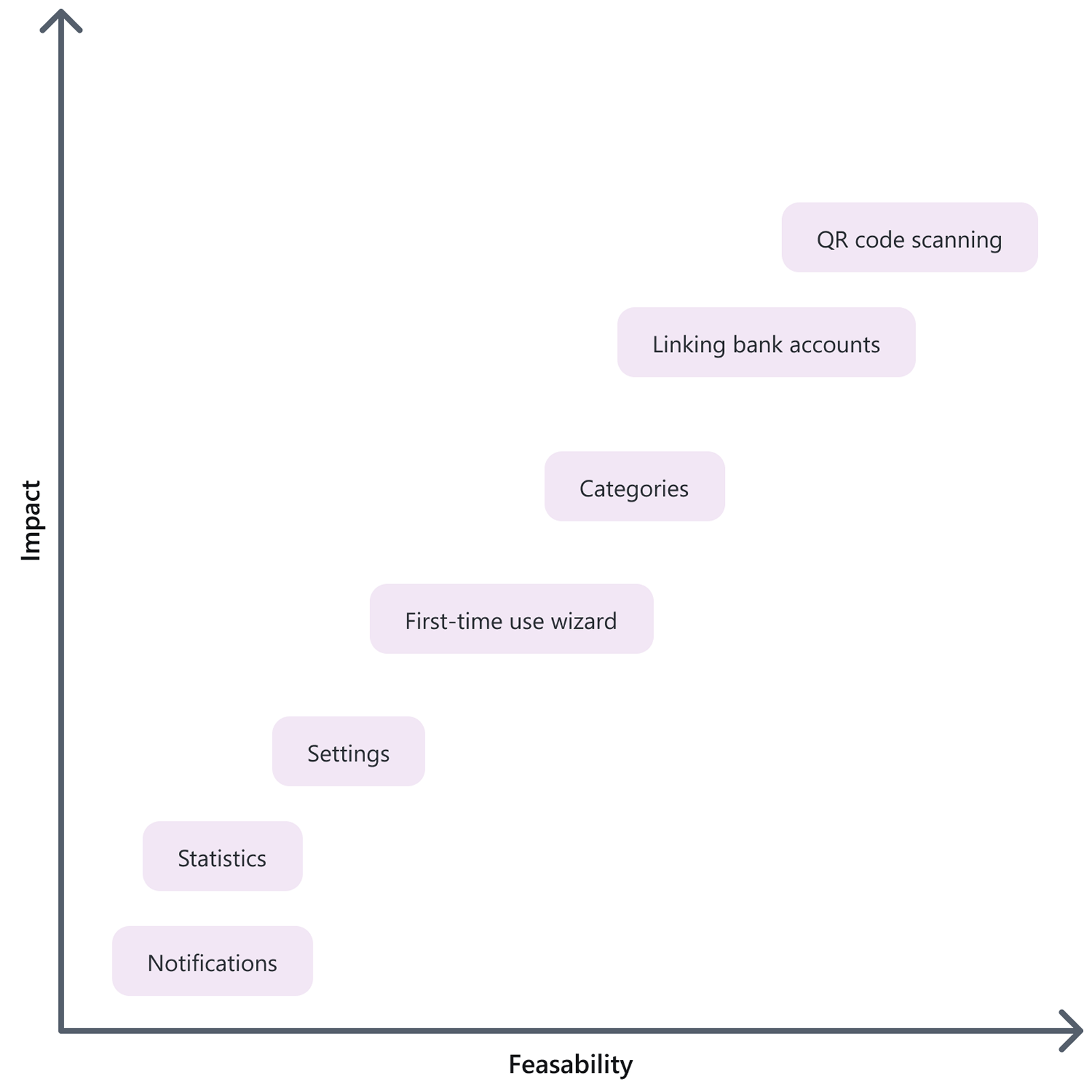
Prioritizing Features
By combining user insights, open banking opportunities, and competitor gaps, I prioritized features based on both impact and feasibility. This ensured the design focused on the most valuable solutions first.
Final Design
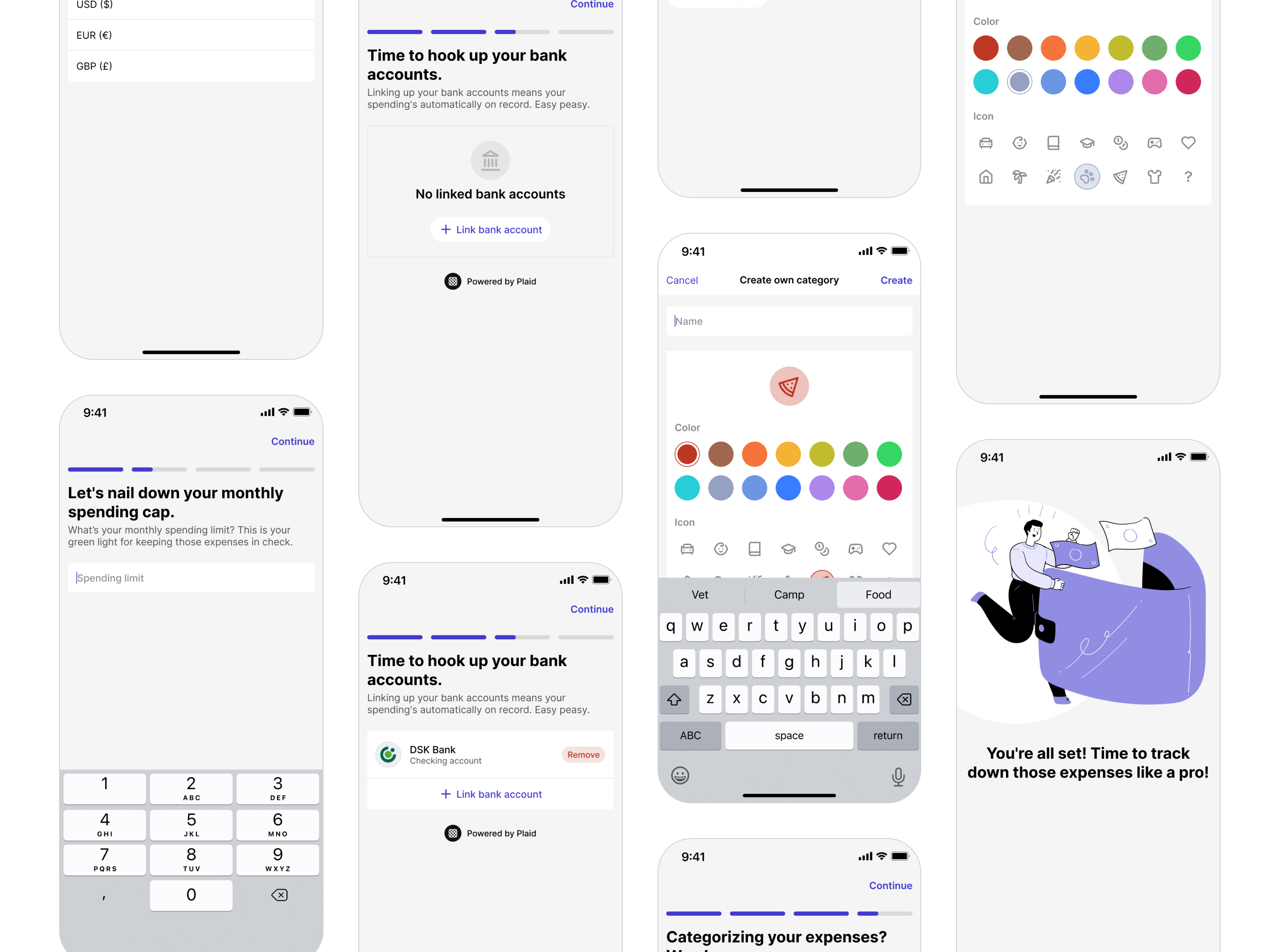
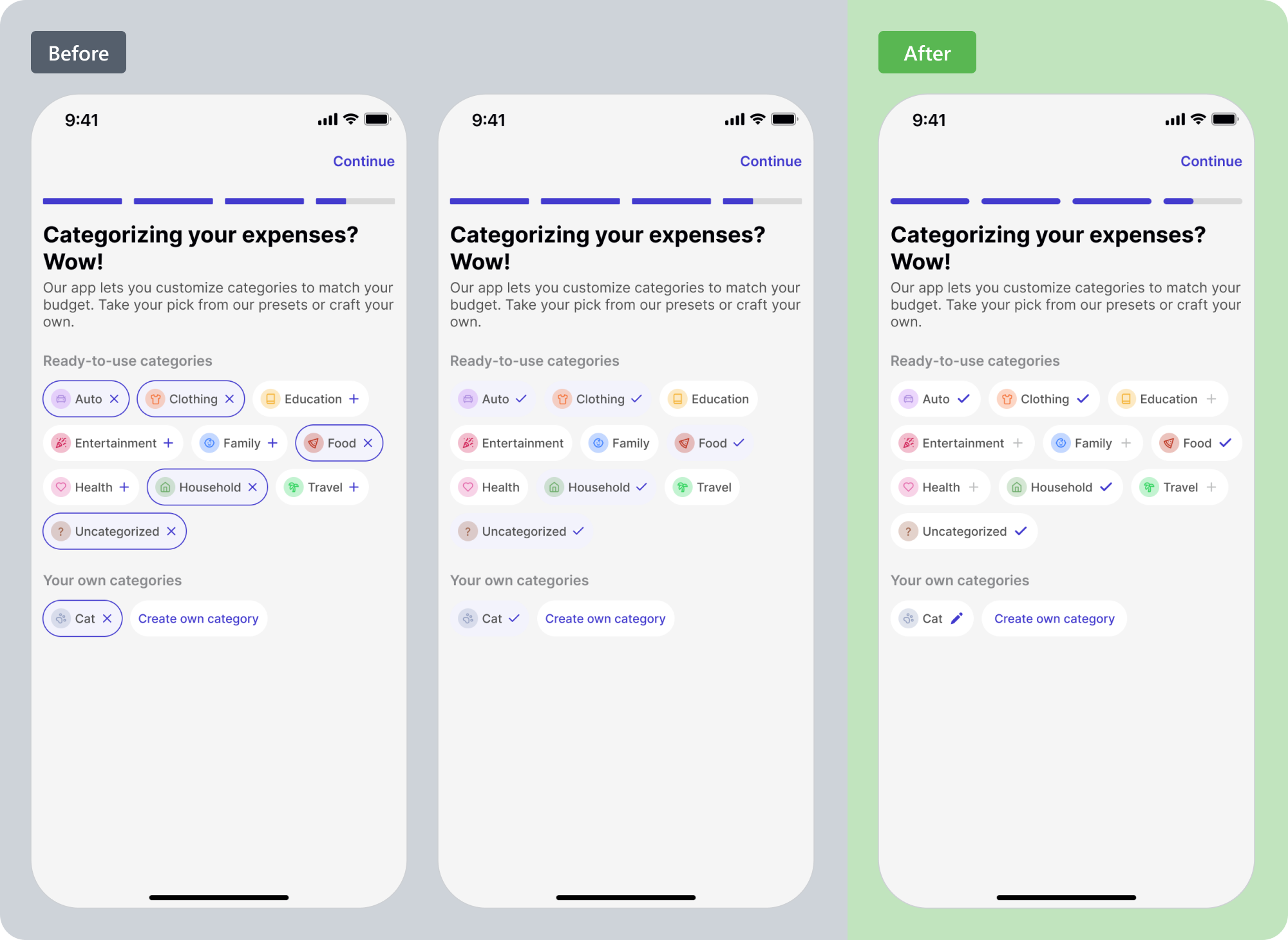
Effortless Onboarding
Goal: Make budget setup fast, intuitive, and low-friction.
Solution: Streamlined onboarding flow with clear steps for account setup and budget categorization. Iterative testing reduced screen clutter and simplified decisions.
Impact: Users can start budgeting immediately, reducing drop-off and ensuring consistent engagement.
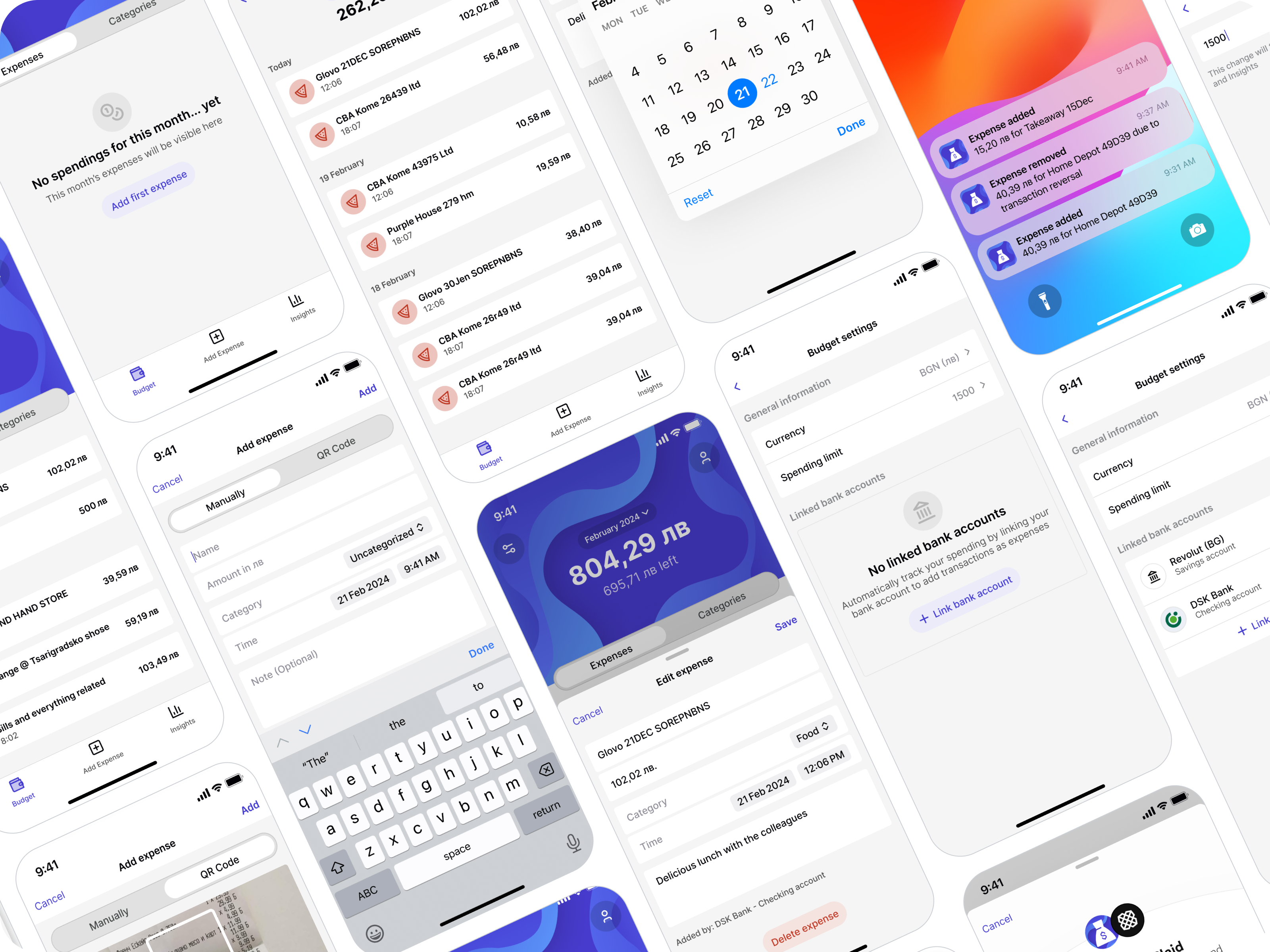
Clear Financial Overview
Goal: Provide users with a quick, actionable snapshot of their finances.
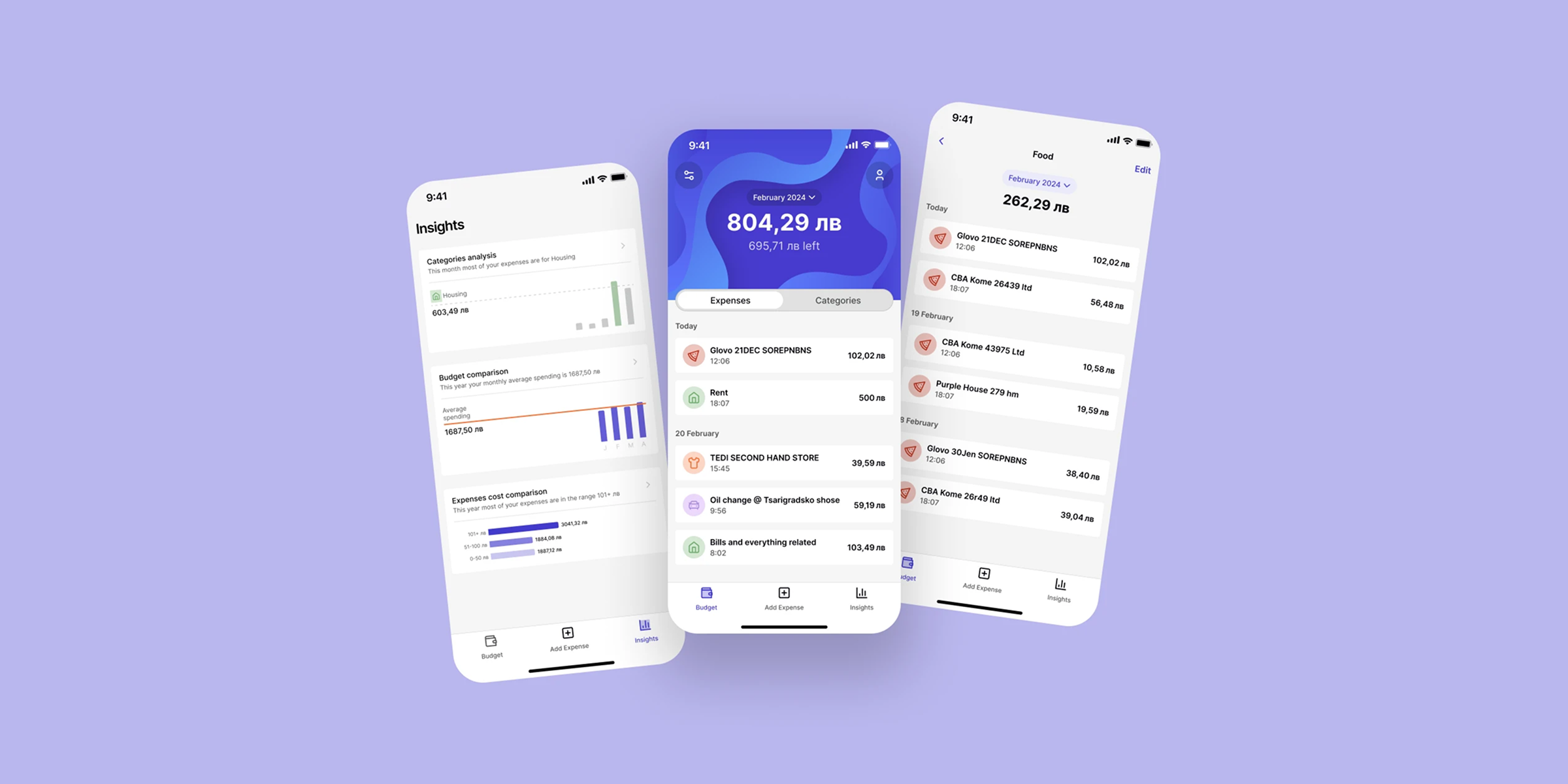
Solution: Dashboard displays monthly budgets, recent transactions, and key insights in a clear layout.
Impact: Users gain immediate understanding of their spending, supporting informed decisions.
Automation First
Goal: Minimize manual data entry and ensure accurate budgeting.
Solution: Open banking integration automatically pulls in transactions, refunds, and recurring payments.
Impact: Budgets reflect reality without constant effort, improving reliability and reducing user friction.
Effortless Expense Capture
Goal: Track physical (cash) expenses efficiently.
Solution: QR code scanning extracts receipt details for quick confirmation.
Impact: Digital and physical spending are seamlessly combined, reducing errors and user effort.
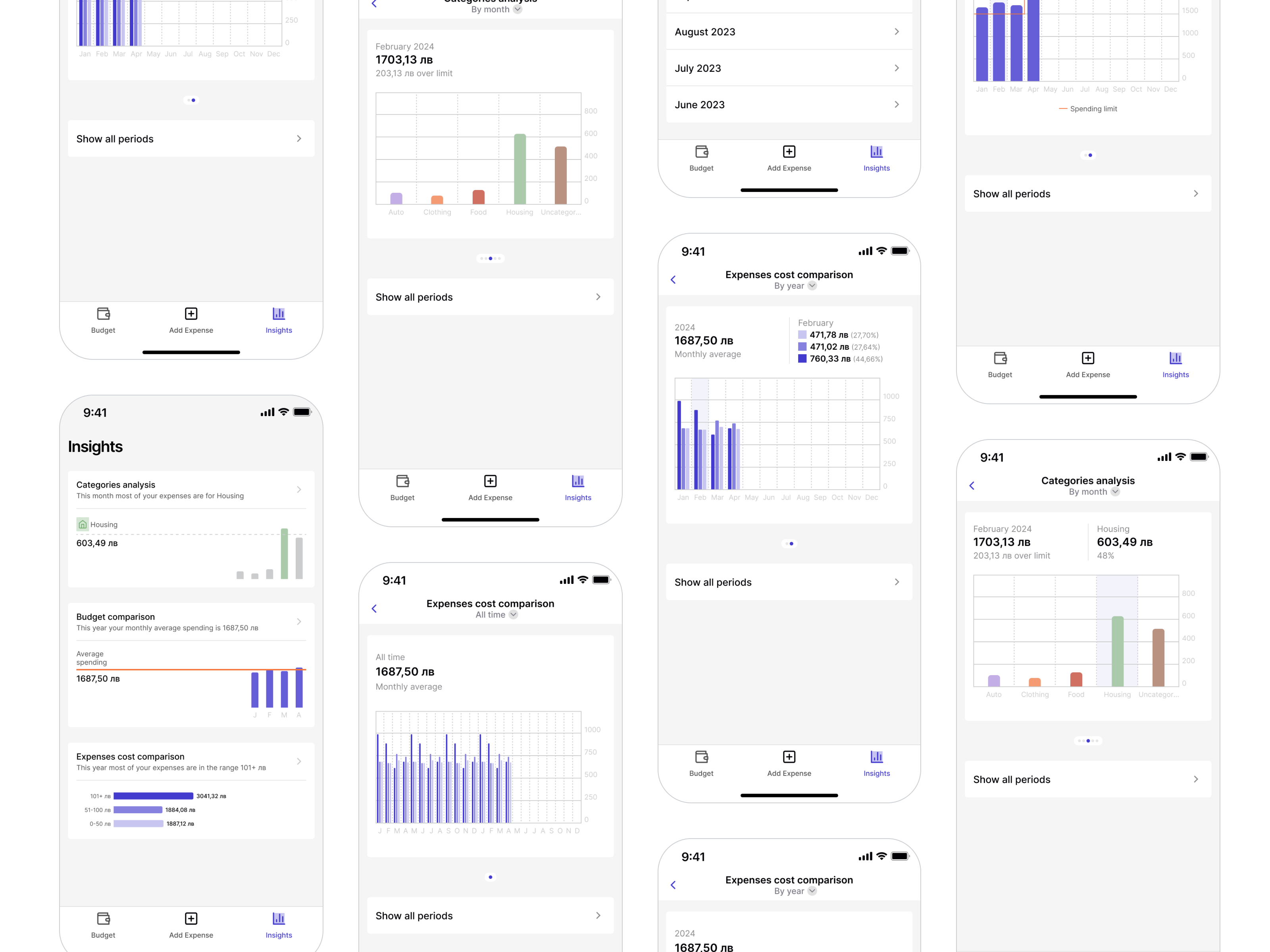
Actionable Insights
Goal: Help users understand patterns in their spending.
Solution: Visualizations highlight recurring costs, category breakdowns, and long-term trends.
Impact: Users gain actionable insights to make better financial decisions and maintain control.
The Outcome
Budgeting Made Effortless
BAPP transforms budgeting into a low-effort, automated, and insight-driven experience. Users gain control, reduce stress, and can consistently track spending across accounts and receipts. Reusable patterns in dashboard and flows ensure scalability as features expand.
Key Insights
- Seamless onboarding: One-time setup reduces barriers and encourages consistent usage;
- Effortless expense tracking: Automation + QR scanning bridges digital and physical expenses;
- Clarity through insights: Visual breakdowns reveal hidden spending patterns for better decisions;
- Positioned for growth: Combining automation and flexible expense capture sets BAPP apart from competitors.